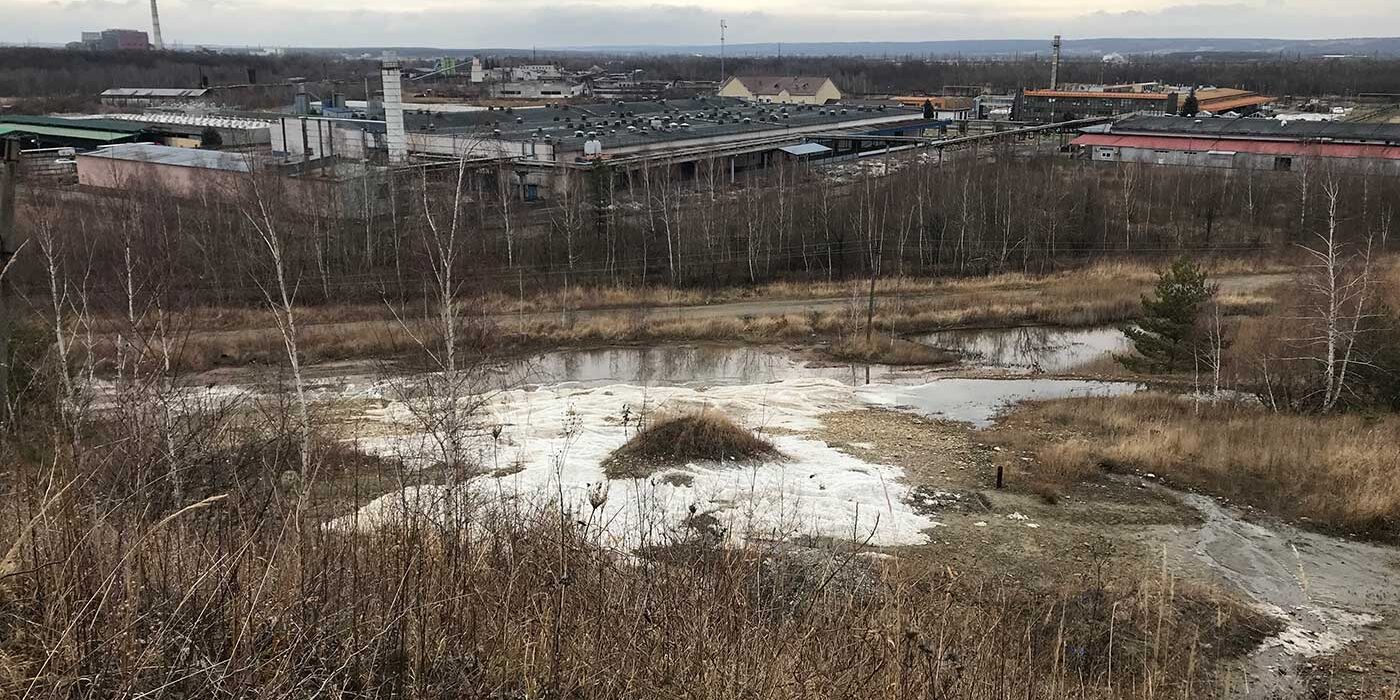
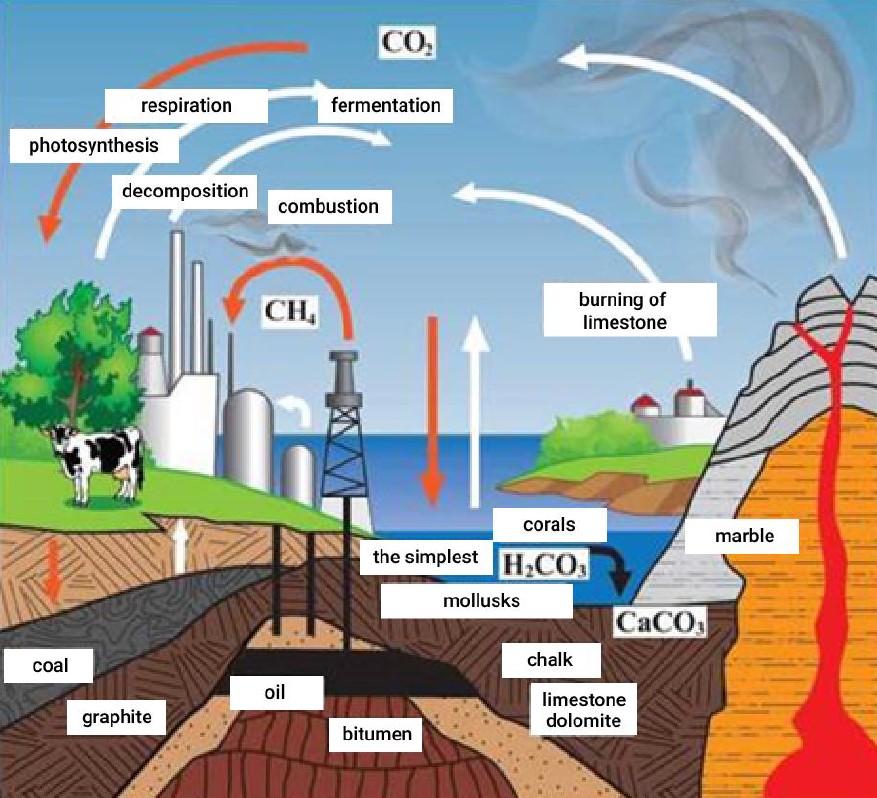
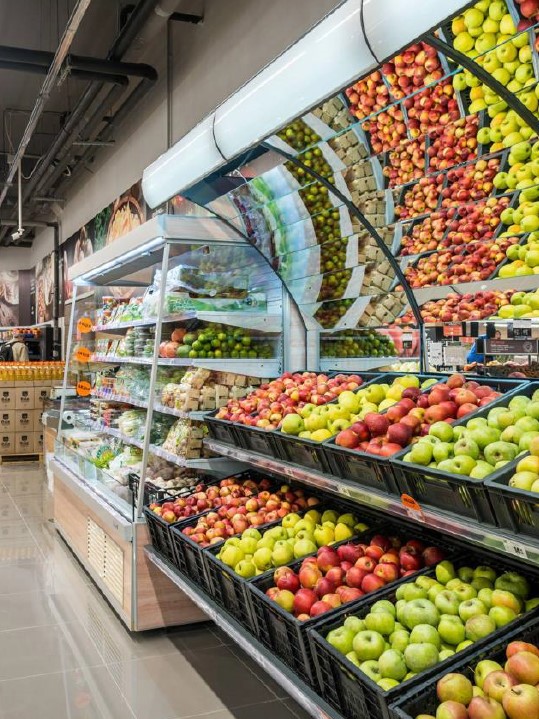
Assuming that crop waste can be processed (with the preservation of their CO2) and at the same time benefit and preserve the environment, then this report should interest you. In the EU, for example, according to FAO, about 15.7 percent of grown/produced crops are lost each year before they are sold, that is, at the harvesting (field) – transportation – storage stage. Sales and subsequent use can result in a further 10-15 per cent loss. These losses (biological waste) which in total in this chain can be up to 30% in total – require decisions on their further use: composting, incineration, recycling, pyrolysis, fermentation, landfill and more. However, there are weaknesses: solid waste landfills (as the cheapest means) require additional space and as a result of groundwater contaminated with infiltrates, or costly treatment plants and emissions of a whole bunch of gases into the atmosphere. ; combustion requires energy costs and also requires purification filter complexes and still the end result is a range of harmful gases entering the atmosphere; recycling is a set of costs for sorting products for proper disposal, but it does not remove the issue of waste for incineration and composting. The use of bioreactors partially removes this issue, but emissions of carbon dioxide, ammonia and methane remain relevant because they could not be reduced.