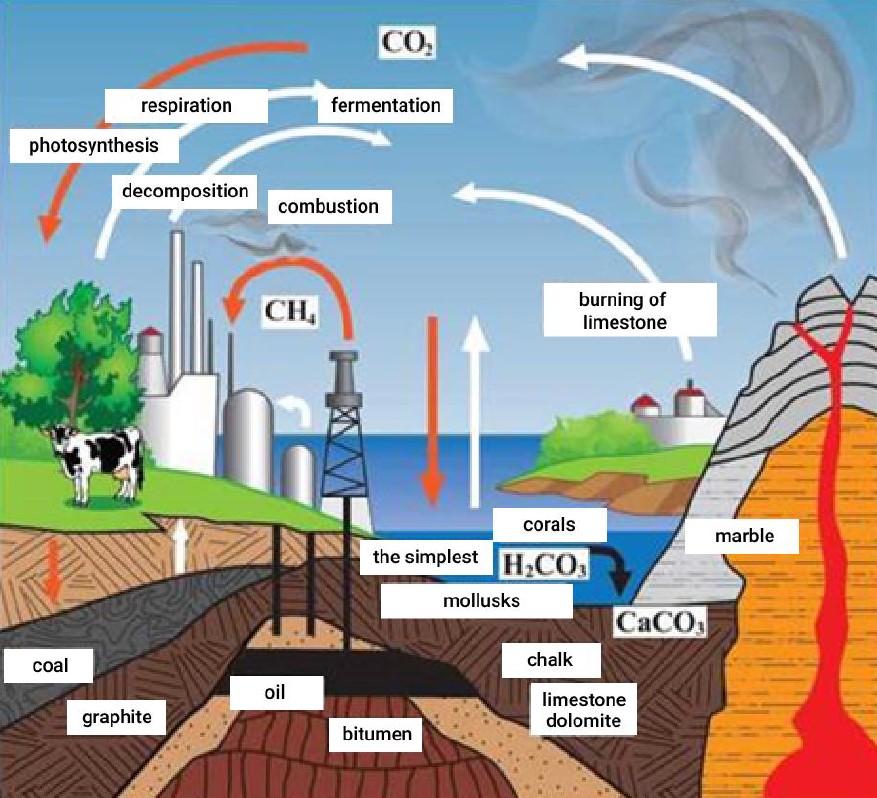
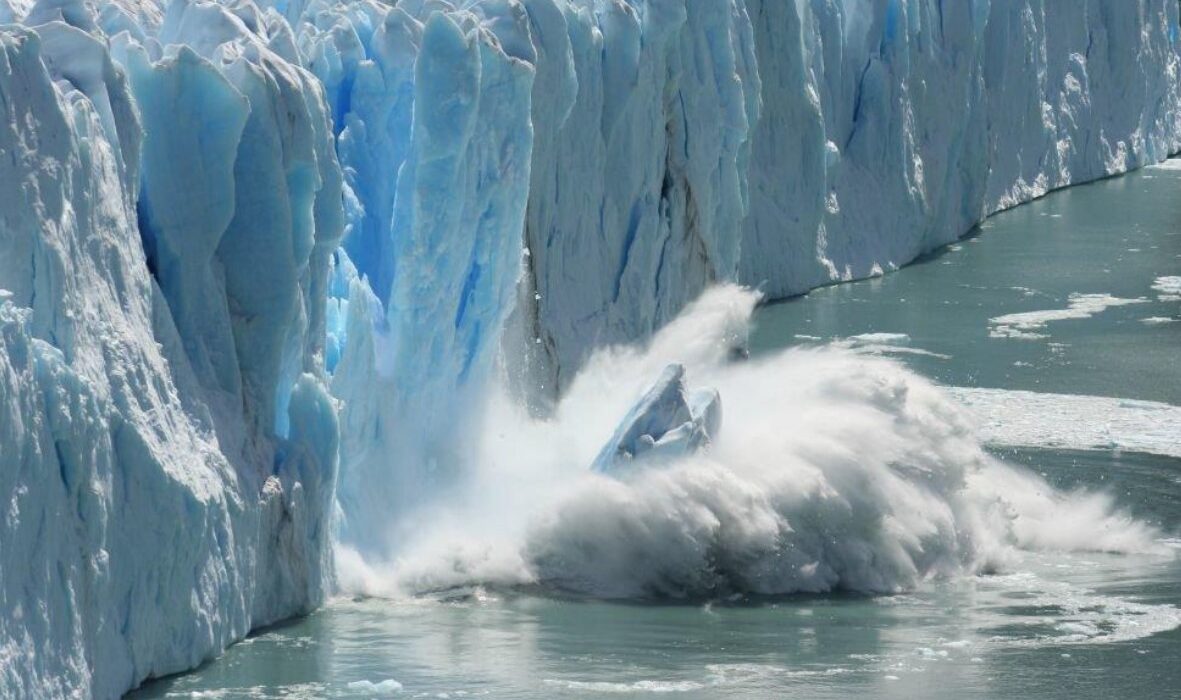
At a time when there is an active melting of the Earth’s ice sheet, rising temperatures of the oceans, rising temperatures in permafrost and as a result of active emissions of additional volumes of methane and CO2, which exerts a significant pressure on the atmosphere and enhances the “greenhouse effect” on the planet Earth.
Despite the commitments of the signatory countries of the Paris Agreement to reduce CO2 emissions, this indicator is growing globally due to a set of factors.
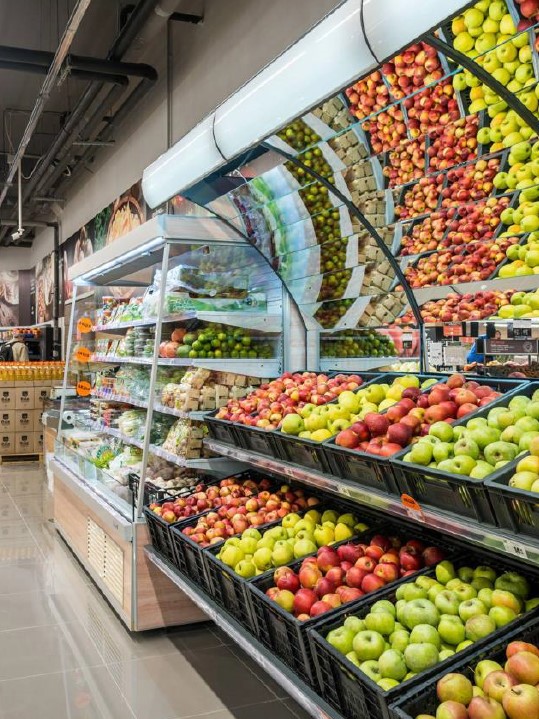
One of these factors is a major problem especially in trading networks – crop and livestock products that have reached their expiry dates, which in turn require additional recycling costs (e.g.: incineration or composting, but with additional transportation costs) and as a consequence, it is an additional source of CO2 emissions into the atmosphere. A separate topical issue is the release of methane and ammonia to the atmosphere, which are insufficiently illuminated and technologically developed in contrast to CO2.
Assuming that crop waste can be processed (with the preservation of their CO2) and at the same time benefit and preserve the environment, then this report should interest you. In the EU, for example, according to FAO, about 15.7 percent of grown/produced crops are lost each year before they are sold, that is, at the harvesting (field) – transportation – storage stage. Sales and subsequent use can result in a further 10-15 per cent loss. These losses (biological waste) which in total in this chain can be up to 30% in total – require decisions on their further use: composting, incineration, recycling, pyrolysis, fermentation, landfill and more. However, there are weaknesses: solid waste landfills (as the cheapest means) require additional space and as a result of groundwater contaminated with infiltrates, or costly treatment plants and emissions of a whole bunch of gases into the atmosphere. ; combustion requires energy costs and also requires purification filter complexes and still the end result is a range of harmful gases entering the atmosphere; recycling is a set of costs for sorting products for proper disposal, but it does not remove the issue of waste for incineration and composting. The use of bioreactors partially removes this issue, but emissions of carbon dioxide, ammonia and methane remain relevant because they could not be reduced.
The generation of biological waste is largely associated with agricultural production and trade. However, when considering the total agricultural output (GAO) and the total production of biological waste, there is no correlation or relationship between them over years. For example, in Ukraine, in contrast to the EU, the share of biowaste disposed of in specially designated areas is 4%, which is extremely law.
To understand how best to use the available biological waste from the crop industry – consider what the green plant is made of, which is mainly (depending on the type of plant or its organ) 75-96% water and 5-25% solid matter, represented by organic and mineral compounds. Solid matter consists of 95% organic matter and 5% of mineral salts. The main elements of organogens that are part of the dry matter – are carbon – 45%, oxygen – 42%, hydrogen – 6.5% and nitrogen – 3.5%. If you burn a plant sample, organogens evaporate and remain a constituent of «ash» elements (mineral salts), which has a value of about 5%.
full article you can dowload in PDF below: